Today’s Share

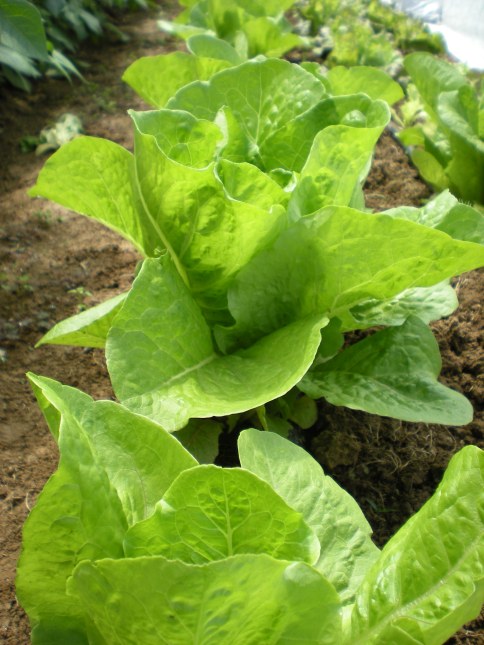
  • Jericho Romaine hearts
  • Pirat Butterhead Lettuce
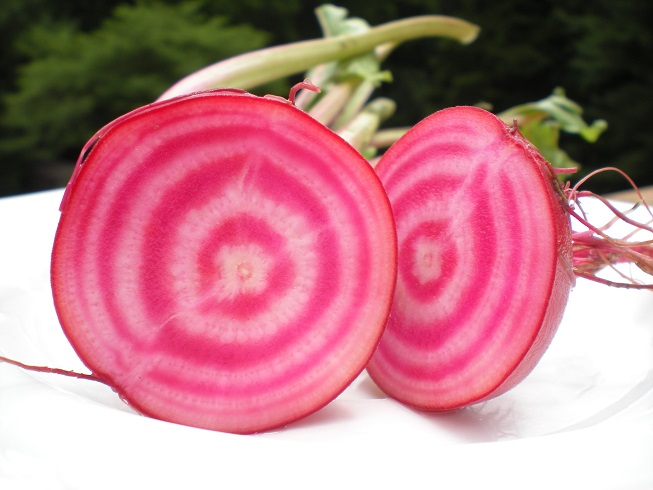
  • Beets (Red Ace and 1 Chioggia Guardsmark)- cut off tops and eat the greens within a few days
  • Lacinato Dinosaur Kale- great source of Vitamin K
  • Champion and Georgia Collards
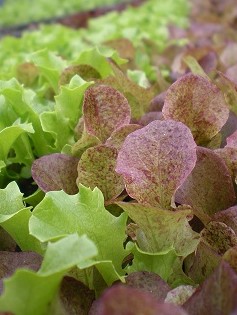
  • Mesclun Mix (Red Oakleaf Lettuce, Celinet Lettuce, Blade Lettuce, Astro Arugula, Mizuna Asian Greens, Red Giant Mustard Greens, Nasturtium)
  • Scallions
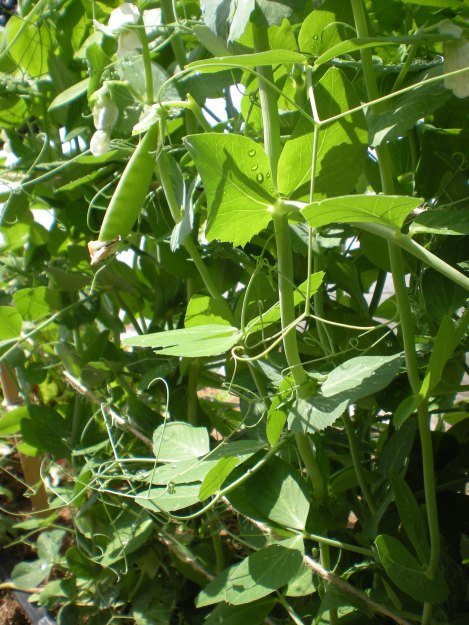
  • Sugar Ann Snap Peas
  • Belstar and Calabrese Broccoli
  • Italian Flat Leaf Parsley- another great source of Vitamin K and high in antioxidants!

broc small

beet small

Chioggia Guardsmark Beet

pea small

Sugar Ann Snap Pea

What Do I Do With Collard Greens? How Do I Make Raw Kale Taste Better? And a Different Romaine Salad.

Collards are in the same plant family as kale and can be prepared similarly.  You can store them like other leafy greens, covered in the refrigerator.  Collards can be eaten raw, sautéed, steamed, or cooked in a crockpot.  One way to prepare kale or collards raw and make them taste better is by using salt.  Personally, I think kale tastes better than collards in this recipe.

  1. Cut up the greens and stems (if you like some crunch) and put in a large bowl.
  2. Add a small amount of salt and start massaging/squeezing the greens with your hands, which will wilt and release water, making them much easier to eat. Add more salt to taste or if greens are not reducing in size.
  3. Add lemon juice or apple cider vinegar, olive oil, garlic or onion, and pepper. A favorite salad dressing could also be used with the salted greens.
  4. Eat right away or place in fridge to marinate a little while.

When people think of Romaine lettuce, they generally think Caesar salad, but if you like Asian food, try this Korean Style Romaine.  It smells and tastes really good!  But, if you don’t like spicy foods, you’ll probably want to use less red pepper flakes.

CSA Begins Wednesday, June 7

Your veggies are growing!  The rain has been good, but it’s great to see the sun again.  In preparation for upcoming shares, I recommend checking out the best ways to store your veggies.  Next week’s share will be full of greens (most likely kale, lettuce, collards, beet greens), most of which can be eaten raw or cooked.  And here’s how things are growing…

bush bean (2)

Bush Beans

babylettuces (2)

Lettuce mix

tomato plant

Tomato

squash

Squash

romaine lettuce

Romaine Lettuce

potato, scallion

Potatoes and Scallions

pea

Peas

garlic scapes

Garlic Scape

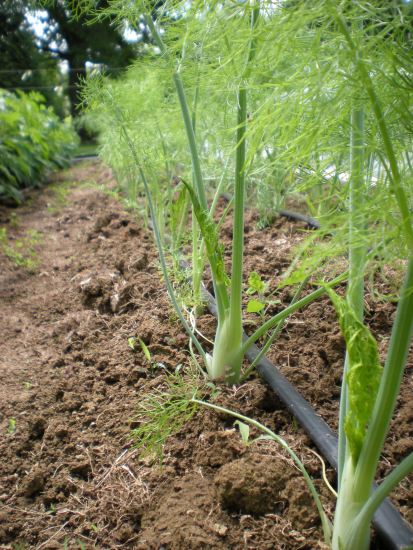
fennel

Fennel

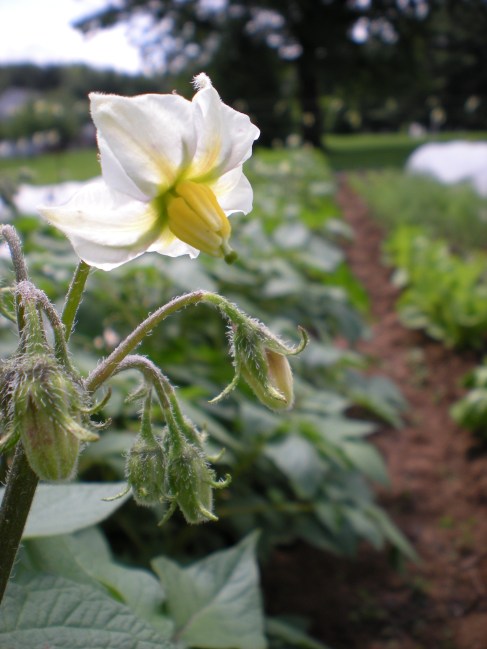
Desiree potato flower

Desiree Potato Flower

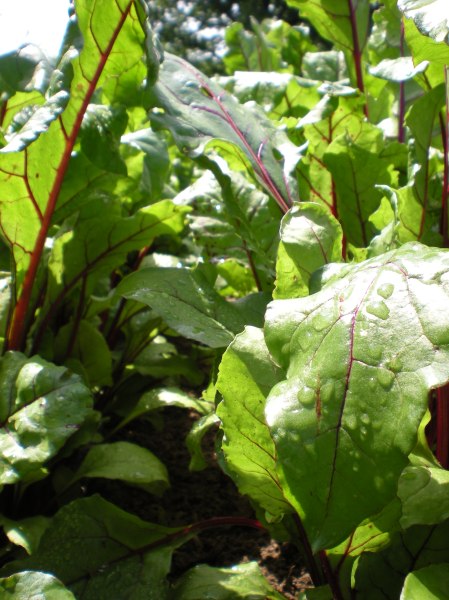
beetgreens

Beet Greens

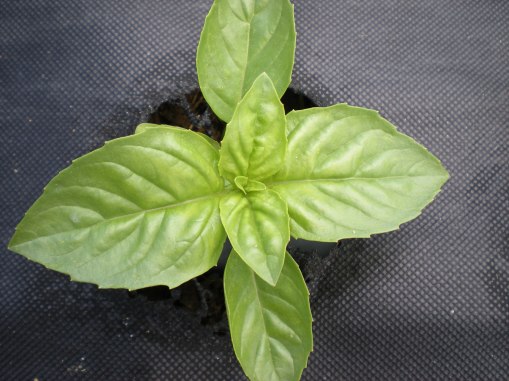
basil

Basil

First Day of Spring

There’s nothing in the ground, but there will be soon!

I plan on using this blog to share useful information about the veggies you find in your shares, such as health benefits, storage tips, and ways to prepare them. I encourage others to share their tips and vegetable recipes as well, in the comments. My hope is that this space can help members get the most out of their shares.

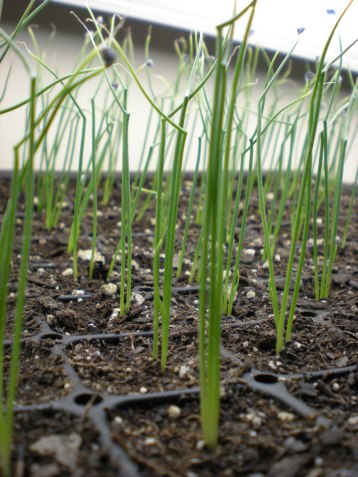
I will also try to include some farm photos when I can. For today, I’ll leave you with a picture of the onion seedlings growing indoors.

onions1